
By most technical benchmarks, the modern mini-split system looks like a better machine.
They have better efficiency ratings.
Better zone control. Quieter operation.
By the numbers, they should be winning the hotel market.
But PTACs account for roughly 85% of hotel HVAC installations (based on AHRI shipment data), and it’s not because hotel operators don’t know about mini-splits.
They do. They’ve run the numbers, talked to the reps, seen the efficiency ratings.
They chose PTACs anyway.
Why? The reason comes down to how the systems work and what that means when something breaks at 2 AM with a guest in the room.
The Core Difference Between PTAC Units and Ductless Mini-Splits
PTAC (Packaged Terminal Air Conditioner)
The keyword here is “packaged” because everything it needs to run—the compressor, coils, fan, all the heavy-duty parts—is built into one, self-contained unit.
It’s a complete, independent system that sits in your wall sleeve. One unit serves one room.

Ductless Mini-Split
Now here, the “split” says it all, because the system is split between an indoor air handler and an outdoor condenser unit. They’re connected by refrigerant lines running through your walls.
Typically, one outdoor unit serves 4-5 indoor units.
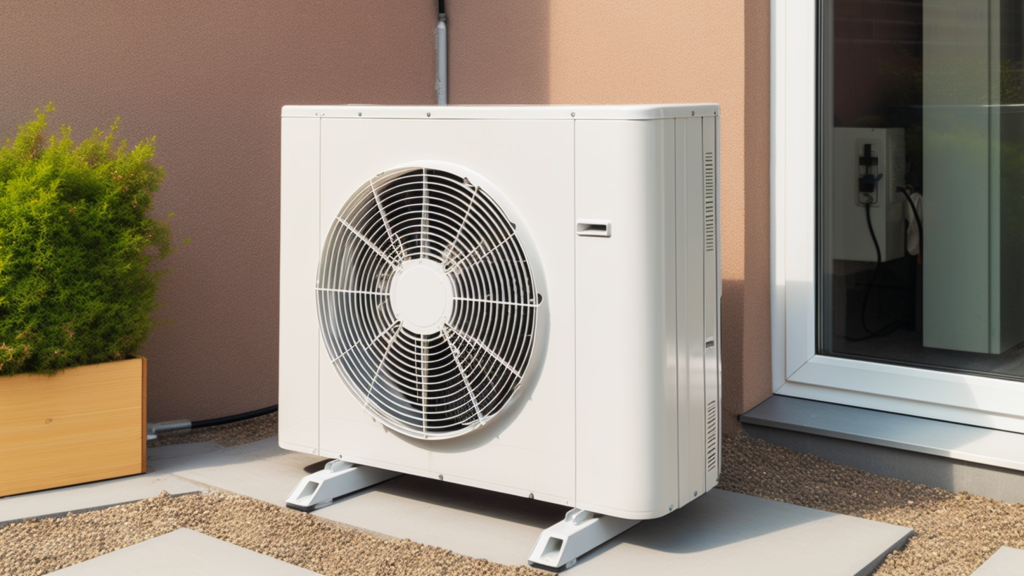
That structural difference, packaged vs split, determines your operational strategy.
Why Would a Hotel Choose a PTAC Over a Mini-Split?
The answer comes down to operational control and risk management.
When a PTAC fails, you lose one room.
When a mini-split’s outdoor unit fails, you lose every room connected to it, usually 4-5 rooms simultaneously.
For hotel operations, that difference changes everything.
Let’s break down how this plays out in the real world.
Scenario 1: When a unit inevitably fails
It’s a Friday afternoon heading into a fully booked weekend. An HVAC unit dies.
With a PTAC system, this is a manageable task.
Your on-site maintenance person slides the entire 90-pound chassis of the broken unit out of the wall sleeve and slides a new one in.
They plug it in, test it, and the job is done.
The entire process can take less than 30 minutes. The room is back online, ready to generate revenue.
And here is the most critical part for any long-term planner: because PTACs are built to fit a standardized wall sleeve, you are not locked into a single brand.
If your current GE unit fails and you have an Amana unit in storage, it will slide right into the same sleeve. This interchangeability gives you supply chain freedom and protects you from being held hostage by a single manufacturer’s price increases or stock shortages for decades to come.
Now, contrast this with a typical commercial Mini-Split setup where one outdoor compressor often powers four or five indoor units
If that single outdoor unit fails, you haven’t lost one room. You have just lost five rooms of revenue simultaneously.
Replacing it is a major HVAC job requiring a licensed technician, specialized equipment, and hours, if not days, of downtime.
For any hotel operator, this isn’t just an inconvenience but a full-blown crisis.
Scenario 2: The Daily Operational Realities
Beyond installation and failure scenarios, there are day-to-day differences:
- Controls: PTACs have built-in control panels. Mini-splits use remote controls—one more thing to get lost, broken, or have dead batteries and create more service calls.
- Maintenance: Cleaning a PTAC filter means popping a front panel at waist level. Cleaning a high-wall mini-split filter requires bringing a ladder into every room. Across 100+ rooms? That definitely adds up.
- Electronics: Hotel electrical systems can be rough on sensitive electronics. PTACs use industrial-grade components built for commercial environments. Mini-split inverter boards are more sophisticated but also more vulnerable to voltage fluctuations common in large buildings.
- Guest-proofing: PTACs sit in a reinforced wall sleeve. Mini-splits have exposed indoor units and visible line sets that can be damaged.
But Aren’t PTACs Loud and Inefficient?
The perception that PTACs are loud and inefficient comes from units installed 20+ years ago. Modern PTACs operate at 45-50 dBA; quiet enough for a comfortable sleep.
And in terms of energy efficiency, many now include heat pump options that significantly reduce energy consumption compared to older electric resistance heating.
Mini-splits do have better SEER ratings, typically 16-20 vs 10-12 for PTACs. That translates to lower monthly utility costs. Whether those savings offset the higher upfront cost and operational risk depends on your specific situation.
Lifespan of PTAC vs Mini-Splits
PTAC lifespan
10-15 years with proper maintenance. The simpler mechanical design means fewer failure points. When components do fail, they’re typically easy to replace—control boards, fan motors, and capacitors are standard parts your maintenance staff can swap.
In hotel environments, PTACs often reach 12-15 years before full replacement is needed. The self-contained design means abuse in one room doesn’t affect other units.
Mini-split lifespan
15-20 years under ideal conditions. The inverter technology is sophisticated and efficient, but also more sensitive.
In commercial hotel environments with inconsistent maintenance and “dirty power,” actual lifespan is often closer to 10-12 years.
The shared outdoor unit creates a critical dependency. When it fails, multiple rooms go down. And because the system is more complex, repairs typically require factory-trained technicians rather than general HVAC service.
Lifespan advantage
Mini-splits have a longer theoretical lifespan, but in hotel environments, the practical difference narrows. PTACs’ simpler design and in-house serviceability often make them more reliable over their operational life.
When Mini-Splits Make Sense
None of this is to say the Mini-Split is a lesser choice. They’re just designed for different priorities.
They work well in:
- Residential settings where aesthetics and quiet operation are priorities
- Boutique properties with unique room layouts
- Properties without in-house HVAC maintenance
- Situations where sleeve installation isn’t feasible
- Properties prioritizing energy efficiency over operational simplicity
But for mid-market hotels, limited-service properties, and operators prioritizing operational simplicity, PTACs align better with business requirements.
Making the Right Choice for Your Property
The PTAC vs mini-split decision comes down to your operational model:
- Do you have in-house maintenance staff who can swap units?
- Are your rooms standardized, or does each have unique requirements?
- How do you prioritize upfront cost vs long-term energy savings?
- Can you absorb the risk of multi-room failures when an outdoor unit goes down?
- What’s your typical room occupancy and revenue per available room?
Frequently Asked Questions
How does cold-climate performance differ between PTAC vs mini-split heat pumps?
Mini-split heat pumps work efficiently down to 5°F (some cold-climate models to -13°F). PTAC heat pumps start requiring backup heat around 25-30°F.
Most hotel operators in cold climates run PTACs with electric resistance backup heat, which works at any temperature.
What is the typical warranty period for a PTAC vs mini-split compressor?
PTACs: 1-year full unit, 5-year compressor. Some manufacturers, like Genuine Comfort, provide up to 6 years of warranty on parts.
Mini-splits: 5-year compressor, 1-3 years parts. Some premium brands offer 7-10 year compressor warranties.
With PTACs, you replace parts yourself. With mini-splits, you coordinate warranty claims and wait for authorized techs.
Can I use different PTAC brands in the same wall sleeve?
Yes. PTAC sleeves are standardized. GE, Friedrich, Amana, Genuine Comfort, and LG units fit the same sleeve.
Mini-splits are brand-specific. You can’t mix manufacturers.
What happens to my investment if I need to renovate?
PTACs: Remove chassis, do your work, slide it back in. Wall sleeve stays.
Mini-splits: Remove indoor units, manage refrigerant lines in walls, potentially relocate outdoor units. May add more time and cost to renovations.
Ready to Choose Your PTAC?
If you’ve decided PTACs fit your operation, we can help you find the right units for your property specs.
Not sure which direction makes sense? We’re happy to walk through your specific situation and give you an honest assessment.